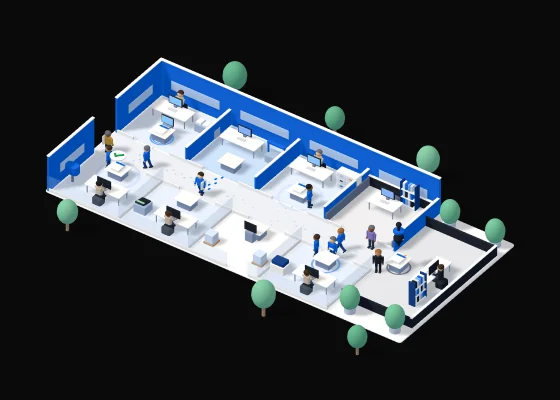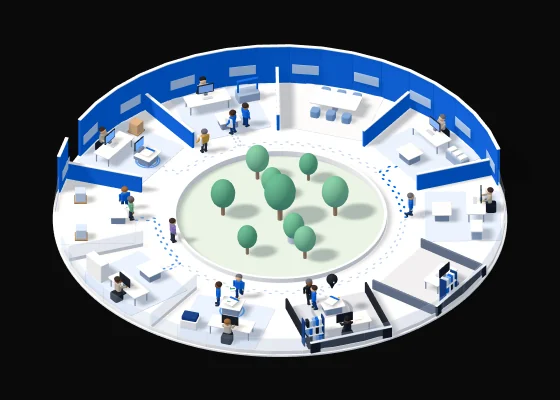

An invoice lands in e-Factura
The supplier sends the invoice through RO e-Factura, as an XML file with the Ministry of Finance seal. Its data can be taken straight from the file.
Follow one supplier invoice, from the e-Factura inbox to the payment run.
Show us your invoice flowThe supplier sends the invoice through RO e-Factura, as an XML file with the Ministry of Finance seal. Its data can be taken straight from the file.
AI agents can read XML and scans, line up invoice, order and receipt, propose the account and draft supplier emails. A person checks the differences and the proposed accounts; we found no public test of the match.
92.7%Reading scans alone: of 7 key fields read right on old scans · independent test
Fraunhofer IAIS · 2025 · exact match
The CFO or owner sees what is due, the cash and open disputes, then decides what gets paid this week. No AI agent approves a payment.
An AI agent prepares the payment file from the approved list. A person authorises it in the bank.
$3.05 bnBusiness email compromise: BEC losses reported to the FBI, 2025
FBI IC3 2025 report: 24,768 business email compromise complaints, $3,046,598,558 in reported losses; complaints from the US and other countries; BEC covers more than fake supplier bank details [5]
AI agents can prepare the checklist and draft entries; the chief accountant signs off.
AI agents can line up statements and ledger; a person approves the result.
AI agents can read timesheets and flag anomalies; software computes, a person signs off.
Public usage data shows AI where accountants read documents, enter data and explain rules. It barely shows reconciliation, payroll and tax computation. The task lists are US data, and usage does not measure what AI can do. Sign-off and filing stay with the accountant.
AI agents can prepare the close checklist and draft adjusting entries and variance notes. The chief accountant approves them and locks the period.
AI agents can line up statement lines with the ledger and list what does not match. A person approves the result.
Reading documents and entering data is where use is already seen. AI agents can sort files and propose the coding; a person releases the posting batch.
AI agents can line up e-Factura, the purchase journal and the e-TVA return, and draft explanations. The accountant checks and submits.
Payroll software computes the salaries. AI agents can read timesheets and flag anomalies; the payroll specialist signs off.
AI agents can search the client's file and draft a reply on status or amounts. Advice with liability stays with the accountant.
We start with how your accounting firm or finance team works today. You validate each deliverable before the next stage.
Two to four weeks. We map your flows from e-Factura to the ledger, and the data and systems behind them. At the end you have a written technical proposal and a roadmap.
We build in stages with your team and connect to your ERP. It can run on your own servers when client data must stay in-house. Each stage is validated on your documents.
Hands-on sessions for your accountants, managers and finance teams, in Romanian or English.
Describe in a few lines how invoices, reconciliation or payroll run in your firm. Vlad will reply.
Talk to usFictional case. Figures from public tests and reports, each with its source, show where work and risk sit, not job loss.